AGM Batteries 101: What You Need to Know Before Switching
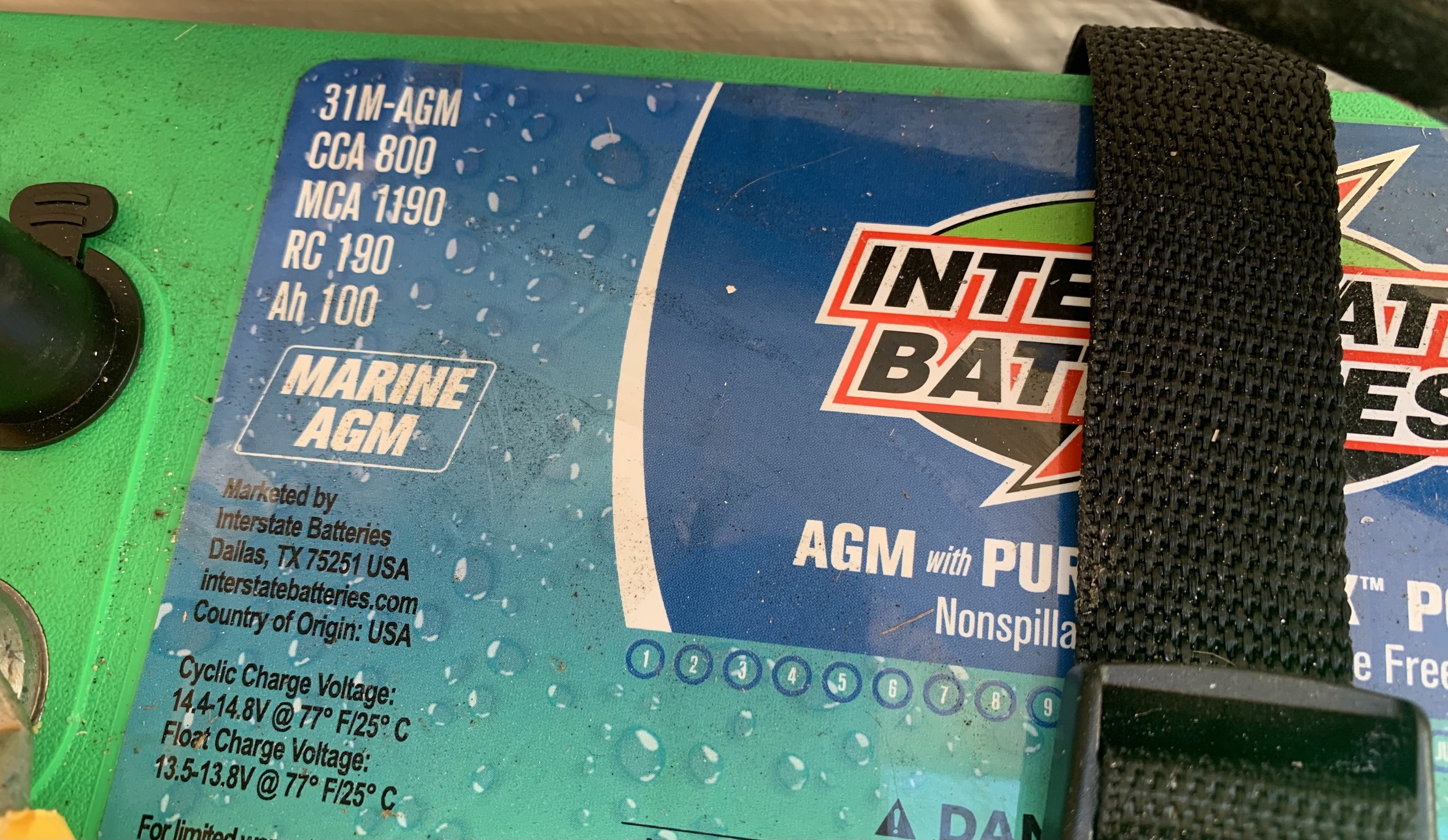
Before you decide to switch to AGM batteries, it’s important to understand the difference between AGM batteries and traditional lead-acid batteries.
Firstly, you will need to ensure that your battery charger is compatible with AGM batteries. Most modern chargers have an AGM charge setting, but it’s essential to confirm this before making the switch.
AGM batteries typically cost more than traditional lead-acid batteries, but they also have a longer lifespan. And while lead-acid batteries’ charge capacity starts to diminish with age, AGM batteries are designed to charge back up to 100% throughout most of their life cycle.
Another benefit of AGM batteries is that they are virtually maintenance-free. You won’t have to worry about topping up electrolyte levels or checking for leaks, which makes them an excellent option for those who value convenience.
Considering these differences, it’s essential to weigh the advantages and disadvantages of AGM batteries before making the switch. While they may cost more initially, their longer lifespan and virtually maintenance-free nature will make them a worthwhile investment in the long run.


Boaters require the skill of anchoring to ensure safety and security when anchoring. To anchor safely and securely, it is essential to use the right equipment and techniques. Additionally, finding a designated anchorage area marked on your navigation chart is important to ensure that you are anchoring in a safe and permitted location.